
Image

Driving Sustainable Infrastructure in Latin America and the Caribbean
CIFI empowers private developers and investors with agile, end-to-end financial solutions for energy and infrastructure projects, delivering sustainable growth, regional impact, and long-term returns.
Learn more
Your preferred investment platform for sustainable, high-impact infrastructure projects across Latin America and the Caribbean.
24 years
Proven track record
30+ markets
Served in the region
220 projects
Financed to date
$2.3 billion
Disbursed, USD
$21 billion
Capital mobilized, USD
Investment Solutions
Services
CIFI offers a comprehensive suite of financial services, including advisory, structuring and syndication, designed to support the full lifecycle of energy and infrastructure projects in the region.
Financing Products
CIFI delivers tailored loans, from senior and subordinated debt to mezzanine and bridge financing, crafted to meet diverse project needs and strengthen financial resilience at every stage.
Asset Management
CIFI, through the CIFI AM branch, specializes in open- and closed-ended funds in fixed income and equity, offering a diversified infrastructure portfolio with sustainable returns in USD and local currencies.
Investment Focus
CIFI targets key sectors of the real economy across Latin America and the Caribbean, offering its financial solutions to more than 30 markets.

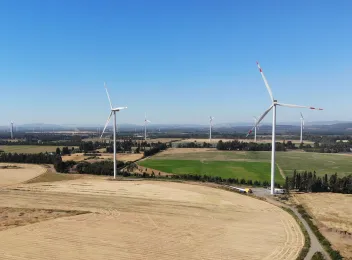
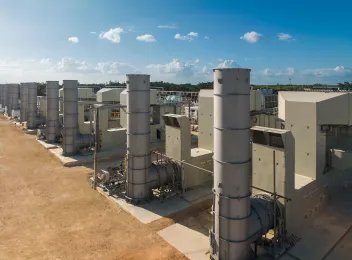
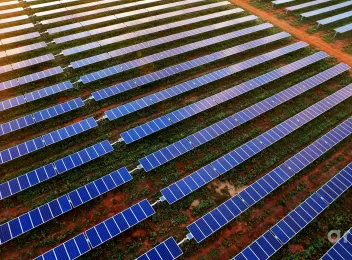
Energy

Digital Infrastructure

Water, Sanitation & Waste

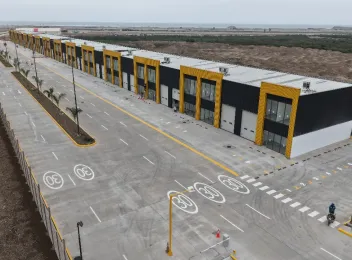
Transport & Logistics

Social Infrastructure

Hospitality
Impact
2024
CIFI champions responsible investment in sustainable infrastructure across Latin America and the Caribbean, contributing to the development of thriving communities and inclusive economies.
Climate investment
58%
Portfolio emissions avoided (tCO2e)
1.2 million
People benefited from access to energy
2 million
Jobs created or sustained
17k

Highlight
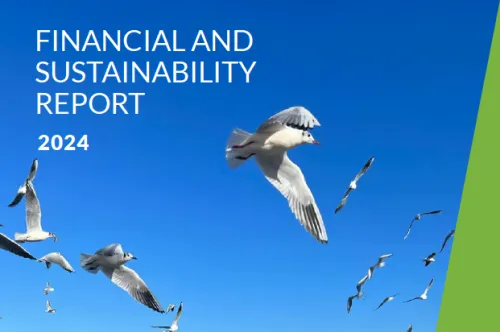
Financial and Sustainability Report 2024
The report highlights strong financial results, climate-aligned investments, and continued leadership in sustainable infrastructure across Latin America and the Caribbean. With 57% of investments tied to climate goals and 88% in greenfield projects, the report reflects CIFI’s commitment to responsible growth, ESG integration, and long-term value creation.
Highlight
Latest News
Image
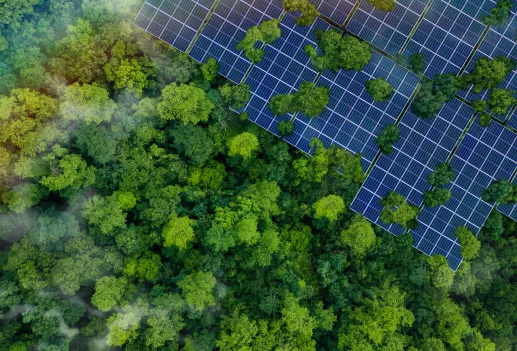
CIFI Strengthens Digital Presence with the Launch of New Corporate Platform www.cifi.com
Image
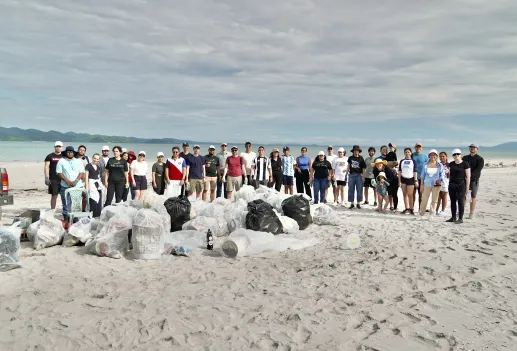
CIFI Promotes Environmental Awareness with Conservation Day alongside Fundación Tortuguias
Image

CIFI celebrates the launch of a new corporate bond revolving program of up to USD 150 million in Latinex
Image
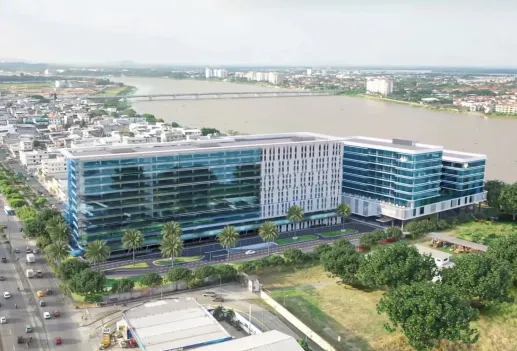
CIFI, IDB Invest, and Grupo Campana Drive New High-Complexity Hospital in Ecuador
Image
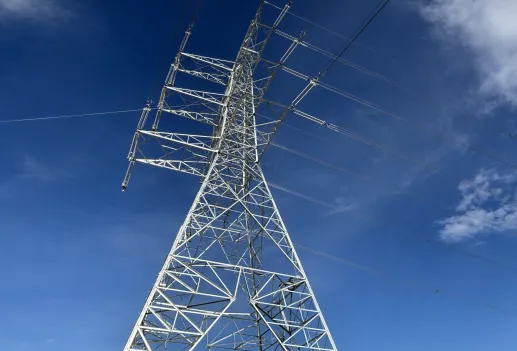
CIFI and Its Funds Strengthen the Energy Security of the Dominican Republic with Financing for the Manzanillo Transmission Line
Image
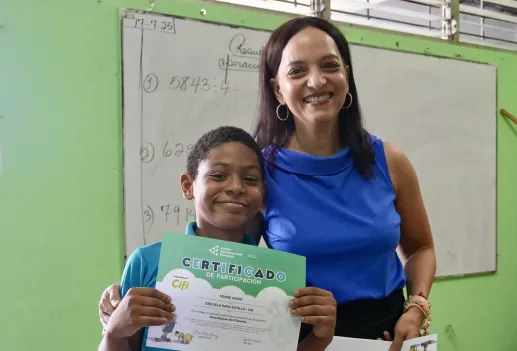
CIFI and Junior Achievement Panama promote environmental awareness among youth through Guardians of the Planet program
Image
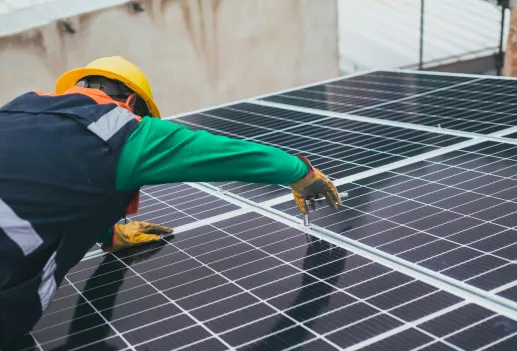
CIFI Introduces ESG Scorecard to Measure and Enhance Clients’ Sustainable Performance
Image

CIFI unveils strong financial performance and deepening ESG commitment in 2024 annual report
Stay informed
CIFI regularly publishes newsletters featuring the latest news, institutional updates, and developments in sustainable investments across the region.