oEnergy
Opportunity
Chile’s energy landscape is evolving rapidly. With the country striving to decarbonize its grid and expand access to clean electricity, small-scale solar projects are becoming a vital part of the solution. The Small Distributed Generation (PMGD by its Spanish acronym) scheme, which allows generators up to 9 MW to connect directly to medium-voltage networks, has opened doors for decentralized energy production. It not only supports the grid but also rewards developers with attractive tariffs and self-dispatch rights, creating new opportunities for sustainable growth.
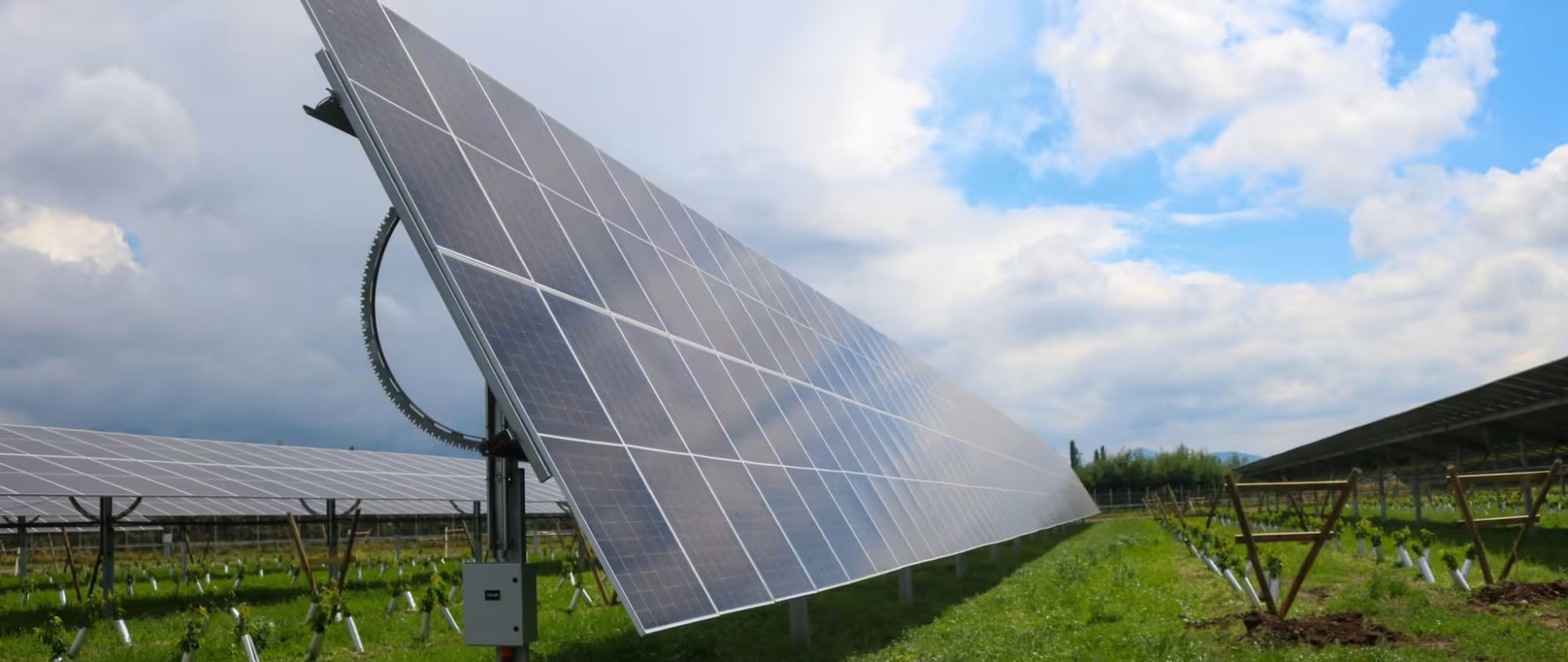
oEnergy, founded in 2013, recognized the promise of this approach early. The company specializes in developing, building, and operating renewable energy projects. Inspired by Chile’s abundant solar resources, oEnergy envisioned a network of 24 PMGD photovoltaic plants, totaling 72 MWp, spread across regions with high solar irradiation and strong grid infrastructure. Their goal was ambitious: to create a distributed solar portfolio that could deliver clean energy efficiently while benefiting local communities.
Approach
To bridge the gap between ambition and execution, oEnergy turned to CIFI, given its robust track record in sustainable infrastructure finance across Latin America and the Caribbean. CIFI’s expertise in structuring complex financial solutions resulted in a package of senior and subordinated loans totaling USD 38.5 million, which covered nearly all the capital required for the USD 41 million project. The financing was supported by co-lenders and the CIFI Sustainable Infrastructure Debt Fund, which contributed USD 17.8 million. CIFI itself participated with USD 16.3 million.
The financing was set up to fit the way the solar projects would earn money, making it easier for oEnergy to manage repayments. The loans were backed by the projects themselves, the money they generate, and support from the company’s owners, including an already running 1.8 MW solar park. CIFI’s careful planning and risk management helped make sure the projects could handle unexpected delays or changes in the market.
Beyond financing, CIFI actively guided the partnership through challenges. When regulatory changes and construction delays threatened to disrupt timelines, the team worked closely with oEnergy to adjust loan terms and align payments with revised cash flows. This hands-on, adaptive approach ensured that the project remained on track and financially sustainable.
On the technical side, oEnergy’s team prioritized environmental and social responsibility. All plants were developed under the PMGD regime, with environmental and social management systems in place to handle construction, earthworks, noise, and community engagement. Even where Chilean law didn’t require formal certification, oEnergy implemented best practices to protect local ecosystems and ensure safe, responsible operations.
Outcome
By the end of 2024, the partnership between oEnergy and CIFI had already begun to transform Chile’s energy landscape. Twelve PV plants were fully operational, generating 36 MWp of clean electricity and producing over 46,000 MWh annually. This output avoided nearly 19,500 tons of CO₂ emissions, delivered reliable power to more than 11,900 people, and created around 120 local jobs, advancing Sustainable Development Goals (SDGs) such as SDG 7: Affordable and Clean Energy, SDG 8: Decent Work and Economic Growth, and SDG 13: Climate Action.
As additional plants come online, total capacity is expected to reach 42.4 MWp by the end of 2025, fully realizing the vision of a decentralized, distributed solar network. The portfolio stands as a model for how small-scale renewable projects can support national energy goals, empower communities, and provide lasting environmental benefits, contributing to SDG 11: Sustainable Cities and Communities by fostering inclusive and resilient infrastructure.
Through innovative financing, careful risk management, and a shared commitment to sustainability, CIFI and oEnergy have shown that the energy transition isn’t just about building plants, it’s about creating resilient, community-centered solutions. Together, they are lighting homes and businesses, cutting emissions, and helping Chile build a cleaner, more resilient future.
46k MWh
Energy generated per year
12k
People benefited from access to energy per year
11k tCO2e
Emissions avoided per year